
Chào các bạn,

ChuyenHVT.net thành lập 2005 - Nơi lưu trữ rất nhiều kỉ niệm của các thế hệ học sinh trong hơn 15 năm qua. Tuy chúng mình đã dừng hoạt động được nhiều năm rồi. Và hiện nay diễn đàn chỉ đăng nhập và post bài từ các tài khoản cũ (không cho phép các tài khoản mới đăng ký mới hoạc động). Nhưng chúng mình mong ChuyenHVT.net sẽ là nơi lưu giữ một phần kỉ niệm thanh xuân đẹp nhất của các bạn.


M.

Kết quả 1 đến 9 của 9

Chủ đề: No Swine Flu :))

  1. #1
    Thành viên gắn bó
    Ngày tham gia
    06-02-2009
    Tuổi
    38
    Bài viết
    560
    Cảm ơn
    364
    Đã được cảm ơn 316 lần ở 163 bài viết

    Mặc định No Swine Flu :))

    ERROR: If you can see this, then YouTube is down or you don't have Flash installed.


    Miss Piggy, Arnold Ziffle,
    Neither has a little sniffle
    Porky Pig and Pooh's Piglet
    No fever yet

    Putnam, Gordy, Toot and Puddle
    Not contagious safe to snuggle

    Ask Petunia Babe, Noelle
    All of them feel well

    Wilbur, Hamm Hogzilla too
    None of them caused the flu

    Wash your hands, wear a mask
    How'd this happen, people ask

    How it started I don't know
    Stay away from Mexico

    Now it's in the USA
    No one's safe this day and age

    Pigs didn't start the swine flu
    Blame the laboratory
    For this awful Story
    Pigs didn't start the swine flu
    No we've been betrayed
    The strain appears man-made

    Viral codes of human flu
    Bird influenza's in there too

    The only thing i seem to find
    People blame the swine

    Read the papers, post your blog
    Blame it on the lowly hog

    Down some aspirin, take a swig
    You're infected by the pig

    Everyone thinks I'm contagious
    Read it on my twitter pages

    You can hug me you won't die
    Come and hang out in my sty

    Eat your dinner throw it up
    No one blames it on the pup

    Run a temp and get the chlls
    Everyone run for the hills

    Pigs didn't start the swine flu
    Blame the laboratory
    For this awful Story
    Pigs didn't start the swine flu
    No we've been betrayed
    The strain appears man-made

    Name diseases after pigs
    Everyone throws dirty digs

    I'm a virus people think
    I'm not sick I'm clean and pink

    I"m your friend your little buddy
    I don't know why you feel cruddy

    Don't blame me I'm not the cause
    Government should change the laws

    People sick across the nation
    Looking for a vaccination

    Center for disease control
    Someone there has got to know

    This disease it needs a name Which animals should we defame

    Nobody will likely mind
    If we named it for an ugly swine

    Pigs didn't start the swine flu
    Blame the laboratory
    For this awful Story
    Pigs didn't start the swine flu
    No we've been betrayed
    The strain appears man-made

    The pigs are innocent I tell you
    We didn't do anything wrong

    We didn't start this disease
    But we're taking all the blame.

    Wash Your Hans - Wonder Girls

    ERROR: If you can see this, then YouTube is down or you don't have Flash installed.


    No Swine Flu for Sally Fuu
    Nguồn từ: http://chuyenhvt.net

    Các bài viết cùng chuyên mục:


  2. Những người đã cảm ơn :


  3. #2
    Moderator Sally Fuu's Avatar
    Ngày tham gia
    27-09-2008
    Tuổi
    36
    Bài viết
    2,059
    Cảm ơn
    866
    Đã được cảm ơn 753 lần ở 401 bài viết

    Mặc định

    Trích dẫn Gửi bởi lnhoa Xem bài viết

    No Swine Flu for Sally Fuu
    qquá đáng .......rủa rmình .....may mà có từ NO ko thì e kill
    a ngay tức khắc

    ôi cái bài đạo nobody
    Nguồn từ: http://chuyenhvt.net

  4. #3
    Thành viên gắn bó
    Ngày tham gia
    06-02-2009
    Tuổi
    38
    Bài viết
    560
    Cảm ơn
    364
    Đã được cảm ơn 316 lần ở 163 bài viết

    Mặc định

    Novel H1N1 Flu


    What is novel H1N1 (swine flu)?
    Novel H1N1 (referred to as “swine flu” early on) is a new influenza virus causing illness in people. This new virus was first detected in people in the United States in April 2009. Other countries, including Mexico and Canada, have reported people sick with this new virus. This virus is spreading from person-to-person, probably in much the same way that regular seasonal influenza viruses spread.
    Why is novel H1N1 virus sometimes called “swine flu”?
    This virus was originally referred to as “swine flu” because laboratory testing showed that many of the genes in this new virus were very similar to influenza viruses that normally occur in pigs in North America. But further study has shown that this new virus is very different from what normally circulates in North American pigs. It has two genes from flu viruses that normally circulate in pigs in Europe and Asia and avian genes and human genes. Scientists call this a "quadruple reassortant" virus.

    Novel H1N1 Flu in Humans


    Are there human infections with novel H1N1 virus in the U.S.?
    Yes. Cases of human infection with novel H1N1 influenza virus were first confirmed in the U.S. in Southern California and near Guadalupe County, Texas. The outbreak intensified rapidly from that time and more and more states have been reporting cases of illness from this virus. An updated case count of confirmed novel H1N1 flu infections in the United States is kept at http://www.cdc.gov/h1n1flu/update.htm. CDC and local and state health agencies are working together to investigate this situation.
    Is novel H1N1 virus contagious?
    CDC has determined that novel H1N1 virus is contagious and is spreading from human to human. However, at this time, it is not known how easily the virus spreads between people.
    What are the signs and symptoms of this virus in people?
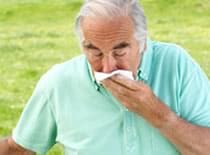
    The symptoms of novel H1N1 flu virus in people are similar to the symptoms of seasonal flu and include fever, cough, sore throat, runny or stuffy nose, body aches, headache, chills and fatigue. A significant number of people who have been infected with this virus also have reported diarrhea and vomiting. Also, like seasonal flu, severe illnesses and death has occurred as a result of illness associated with this virus.
    How severe is illness associated with novel H1N1 flu virus?
    It’s not known at this time how severe novel H1N1 flu virus will be in the general population. In seasonal flu, there are certain people that are at higher risk of serious flu-related complications. This includes people 65 years and older, children younger than five years old, pregnant women, and people of any age with certain chronic medical conditions. Early indications are that pregnancy and other previously recognized medical conditions that increase the risk of influenza-related complications, like asthma and diabetes, also appear to be associated with increased risk of complications from novel H1N1 virus infection as well.
    One thing that appears to be different from seasonal influenza is that adults older than 64 years do not yet appear to be at increased risk of novel H1N1-related complications thus far in the outbreak. CDC is conducting laboratory studies to see if certain people might have natural immunity to this virus, depending on their age. Early reports indicate that no children and few adults younger than 60 years old have existing antibody to novel H1N1 flu virus; however, about one-third of adults older than 60 may have antibodies against this virus. It is unknown how much, if any, protection may be afforded against novel H1N1 flu by any existing antibody.
    How does novel H1N1 flu compare to seasonal flu in terms of its severity and infection rates?
    CDC is still learning about the severity of novel H1N1 flu virus. At this time, there is not enough information to predict how severe novel H1N1 flu outbreak will be in terms of illness and death or how it will compare with seasonal influenza.
    With seasonal flu, we know that seasons vary in terms of timing, duration and severity. Seasonal influenza can cause mild to severe illness, and at times can lead to death. Each year, in the United States, on average 36,000 people die from flu-related complications and more than 200,000 people are hospitalized from flu-related causes. Of those hospitalized, 20,000 are children younger than 5 years old. Over 90% of deaths and about 60 percent of hospitalization occur in people older than 65.
    So far, with novel H1N1 flu, the largest number of novel H1N1 flu confirmed and probable cases have occurred in people between the ages of 5 and 24-years-old. At this time, there are few cases and no deaths reported in people older than 64 years old, which is unusual when compared with seasonal flu. However, pregnancy and other previously recognized high risk medical conditions from seasonal influenza appear to be associated with increased risk of complications from this novel H1N1.


    How does novel H1N1 virus spread?
    Spread of novel H1N1 virus is thought to be happening in the same way that seasonal flu spreads. Flu viruses are spread mainly from person to person through coughing or sneezing by people with influenza. Sometimes people may become infected by touching something with flu viruses on it and then touching their mouth or nose.
    How long can an infected person spread this virus to others?
    At the current time, CDC believes that this virus has the same properties in terms of spread as seasonal flu viruses. With seasonal flu, studies have shown that people may be contagious from one day before they develop symptoms to up to 7 days after they get sick. Children, especially younger children, might potentially be contagious for longer periods. CDC is studying the virus and its capabilities to try to learn more and will provide more information as it becomes available.
    Exposures Not Thought to Spread Novel H1N1 Flu


    Can I get infected with novel H1N1 virus from eating or preparing pork?
    No. Novel H1N1 viruses are not spread by food. You cannot get infected with novel HIN1 virus from eating pork or pork products. Eating properly handled and cooked pork products is safe.
    Is there a risk from drinking water?
    Tap water that has been treated by conventional disinfection processes does not likely pose a risk for transmission of influenza viruses. Current drinking water treatment regulations provide a high degree of protection from viruses. No research has been completed on the susceptibility of novel H1N1 flu virus to conventional drinking water treatment processes. However, recent studies have demonstrated that free chlorine levels typically used in drinking water treatment are adequate to inactivate highly pathogenic H5N1 avian influenza. It is likely that other influenza viruses such as novel H1N1 would also be similarly inactivated by chlorination. To date, there have been no documented human cases of influenza caused by exposure to influenza-contaminated drinking water.
    Can novel H1N1 flu virus be spread through water in swimming pools, spas, water parks, interactive fountains, and other treated recreational water venues?
    Influenza viruses infect the human upper respiratory tract. There has never been a documented case of influenza virus infection associated with water exposure. Recreational water that has been treated at CDC recommended disinfectant levels does not likely pose a risk for transmission of influenza viruses. No research has been completed on the susceptibility of novel H1N1 influenza virus to chlorine and other disinfectants used in swimming pools, spas, water parks, interactive fountains, and other treated recreational venues. However, recent studies have demonstrated that free chlorine levels recommended by CDC (1–3 parts per million [ppm or mg/L] for pools and 2–5 ppm for spas) are adequate to disinfect avian influenza A (H5N1) virus. It is likely that other influenza viruses such as novel H1N1 virus would also be similarly disinfected by chlorine.
    Can novel H1N1 influenza virus be spread at recreational water venues outside of the water?
    Yes, recreational water venues are no different than any other group setting. The spread of this novel H1N1 flu is thought to be happening in the same way that seasonal flu spreads. Flu viruses are spread mainly from person to person through coughing or sneezing of people with influenza. Sometimes people may become infected by touching something with flu viruses on it and then touching their mouth or nose.
    Prevention & Treatment


    What can I do to protect myself from getting sick?
    There is no vaccine available right now to protect against novel H1N1 virus. There are everyday actions that can help prevent the spread of germs that cause respiratory illnesses like influenza.
    Take these everyday steps to protect your health:

    • Cover your nose and mouth with a tissue when you cough or sneeze. Throw the tissue in the trash after you use it.
    • Wash your hands often with soap and water, especially after you cough or sneeze. Alcohol-based hand cleaners are also effective.
    • Avoid touching your eyes, nose or mouth. Germs spread this way.
    • Try to avoid close contact with sick people.
    • Stay home if you are sick for 7 days after your symptoms begin or until you have been symptom-free for 24 hours, whichever is longer. This is to keep from infecting others and spreading the virus further.

    Other important actions that you can take are:

    • Follow public health advice regarding school closures, avoiding crowds and other social distancing measures.
    • Be prepared in case you get sick and need to stay home for a week or so; a supply of over-the-counter medicines, alcohol-based hand rubs, tissues and other related items might could be useful and help avoid the need to make trips out in public while you are sick and contagious.

    What is the best way to keep from spreading the virus through coughing or sneezing?
    If you are sick, limit your contact with other people as much as possible. If you are sick, stay home for 7 days after your symptoms begin or until you have been symptom-free for 24 hours, whichever is longer. Cover your mouth and nose with a tissue when coughing or sneezing. Put your used tissue in the waste basket. Then, clean your hands, and do so every time you cough or sneeze.

    What is the best technique for washing my hands to avoid getting the flu?
    Washing your hands often will help protect you from germs. Wash with soap and water or clean with alcohol-based hand cleaner. CDC recommends that when you wash your hands -- with soap and warm water -- that you wash for 15 to 20 seconds. When soap and water are not available, alcohol-based disposable hand wipes or gel sanitizers may be used. You can find them in most supermarkets and drugstores. If using gel, rub your hands until the gel is dry. The gel doesn't need water to work; the alcohol in it kills the germs on your hands.
    What should I do if I get sick?
    If you live in areas where people have been identified with novel H1N1 flu and become ill with influenza-like symptoms, including fever, body aches, runny or stuffy nose, sore throat, nausea, or vomiting or diarrhea, you should stay home and avoid contact with other people. Staying at home means that you should not leave your home except to seek medical care. This means avoiding normal activities, including work, school, travel, shopping, social events, and public gatherings
    If you have severe illness or you are at high risk for flu complications, contact your health care provider or seek medical care. Your health care provider will determine whether flu testing or treatment is needed
    If you become ill and experience any of the following warning signs, seek emergency medical care.
    In children, emergency warning signs that need urgent medical attention include:

    • Fast breathing or trouble breathing
    • Bluish or gray skin color
    • Not drinking enough fluids
    • Severe or persistent vomiting
    • Not waking up or not interacting
    • Being so irritable that the child does not want to be held
    • Flu-like symptoms improve but then return with fever and worse cough

    In adults, emergency warning signs that need urgent medical attention include:

    • Difficulty breathing or shortness of breath
    • Pain or pressure in the chest or abdomen
    • Sudden dizziness
    • Confusion
    • Severe or persistent vomiting
    • Flu-like symptoms improve but then return with fever and worse cough

    Are there medicines to treat novel H1N1 infection?
    Yes. CDC recommends the use of oseltamivir or zanamivir for the treatment and/or prevention of infection with novel H1N1 flu virus. Antiviral drugs are prescription medicines (pills, liquid or an inhaled powder) that fight against the flu by keeping flu viruses from reproducing in your body. If you get sick, antiviral drugs can make your illness milder and make you feel better faster. They may also prevent serious flu complications. During the current outbreak, the priority use for influenza antiviral drugs during is to treat severe influenza illness.
    What is CDC’s recommendation regarding "swine flu parties"?
    "Swine flu parties" are gatherings during which people have close contact with a person who has novel H1N1 flu in order to become infected with the virus. The intent of these parties is to become infected with what for many people has been a mild disease, in the hope of having natural immunity to the novel H1N1 flu virus that might circulate later and cause more severe disease.
    CDC does not recommend "swine flu parties" as a way to protect against novel H1N1 flu in the future. While the disease seen in the current novel H1N1 flu outbreak has been mild for many people, it has been severe and even fatal for others. There is no way to predict with certainty what the outcome will be for an individual or, equally important, for others to whom the intentionally infected person may spread the virus.
    CDC recommends that people with novel H1N1 flu avoid contact with others as much as possible. They should stay home from work or school for 7 days after the onset of illness or until at least 24 hours after symptoms have resolved, whichever is longer.
    Contamination & Cleaning


    How long can influenza virus remain viable on objects (such as books and doorknobs)?
    Studies have shown that influenza virus can survive on environmental surfaces and can infect a person for up to 2-8 hours after being deposited on the surface.
    What kills influenza virus?
    Influenza virus is destroyed by heat (167-212°F [75-100°C]). In addition, several chemical germicides, including chlorine, hydrogen peroxide, detergents (soap), iodophors (iodine-based antiseptics), and alcohols are effective against human influenza viruses if used in proper concentration for a sufficient length of time. For example, wipes or gels with alcohol in them can be used to clean hands. The gels should be rubbed into hands until they are dry.
    What surfaces are most likely to be sources of contamination?
    Germs can be spread when a person touches something that is contaminated with germs and then touches his or her eyes, nose, or mouth. Droplets from a cough or sneeze of an infected person move through the air. Germs can be spread when a person touches respiratory droplets from another person on a surface like a desk, for example, and then touches their own eyes, mouth or nose before washing their hands.
    How should waste disposal be handled to prevent the spread of influenza virus?
    To prevent the spread of influenza virus, it is recommended that tissues and other disposable items used by an infected person be thrown in the trash. Additionally, persons should wash their hands with soap and water after touching used tissues and similar waste.
    What household cleaning should be done to prevent the spread of influenza virus?
    To prevent the spread of influenza virus it is important to keep surfaces (especially bedside tables, surfaces in the bathroom, kitchen counters and toys for children) clean by wiping them down with a household disinfectant according to directions on the product label.
    How should linens, eating utensils and dishes of persons infected with influenza virus be handled?
    Linens, eating utensils, and dishes belonging to those who are sick do not need to be cleaned separately, but importantly these items should not be shared without washing thoroughly first.
    Linens (such as bed sheets and towels) should be washed by using household laundry soap and tumbled dry on a hot setting. Individuals should avoid “hugging” laundry prior to washing it to prevent contaminating themselves. Individuals should wash their hands with soap and water or alcohol-based hand rub immediately after handling dirty laundry.
    Eating utensils should be washed either in a dishwasher or by hand with water and soap.
    Response & Investigation


    What is CDC doing in response to the outbreak?
    The agency’s goals are to reduce transmission and illness severity, and provide information to help health care providers, public health officials and the public address the challenges posed by the new virus. CDC is working with state and local health departments to enhance surveillance in the United States and to collect and analyze data to assess the impact of the virus and determine the groups at increased risk of complications. In addition, CDC continues to issue new and updated interim guidance for clinicians, public health professionals and the public for the prevention and treatment of this new virus.

    To expand the national and international laboratory capacity for detecting novel H1N1 influenza, CDC has developed and distributed new influenza diagnostic kits and reagents to more than 350 laboratories, including laboratories in 131 countries. CDC’s Division of the Strategic National Stockpile (SNS) continues to send antiviral drugs, personal protective equipment, and respiratory protection devices to all 50 states and U.S. territories to help them respond to the outbreak.

    The U.S. Government also is aggressively taking early steps in the process to manufacture a novel H1N1 influenza vaccine, working closely with manufacturing. CDC has isolated the new H1N1 virus, made a candidate vaccine virus that can be used to create vaccine, and has provided this virus to industry so they can begin scaling up for production of a vaccine, if necessary.

    What epidemiological investigations are taking place in response to the recent outbreak?
    CDC works very closely with state and local officials in areas where human cases of new H1N1 flu infections have been identified. CDC has deployed staff to several states to assist with the investigation of the impact of the novel H1N1 influenza, including the assessment of the severity of illness, how easily the virus spreads, and the amount of time people may be infectious. In states where EpiAid teams have been deployed, many epidemiological activities are taking place or planned including:

    • Active surveillance in the counties where infections in humans have been identified;
    • Studies of health care workers who were exposed to patients infected with the virus to see if they became infected;
    • Studies of households and other contacts of people who were confirmed to have been infected to see if they became infected; and
    • Study to see how long a person with the virus infection sheds the virus.

    Who is in charge of medicine in the Strategic National Stockpile (SNS) once it is deployed?
    Local health officials have full control of SNS medicine once supplies are deployed to a city, state, or territory. Federal, state, and local community planners are working together to ensure that SNS medicines will be delivered to the affected area as soon as possible. Many cities, states, and territories have already received SNS supplies. After CDC sends medicine to a state or city, control and distribution of the supply is at the discretion of that state or local health department. Most states and cities also have their own medicines that they can access to treat infected persons.
    *Note: Much of the information in this document is based on studies and past experience with seasonal (human) influenza. CDC believes the information applies to novel H1N1 (swine) viruses as well, but studies on this virus are ongoing to learn more about its characteristics. This document will be updated as new information becomes available.
    Nguồn từ: http://chuyenhvt.net

  5. #4
    Thành viên gắn bó
    Ngày tham gia
    06-02-2009
    Tuổi
    38
    Bài viết
    560
    Cảm ơn
    364
    Đã được cảm ơn 316 lần ở 163 bài viết

    Mặc định

    Swine Flu với Sally Fuu nghe vần vần
    Nguồn từ: http://chuyenhvt.net

  6. #5
    Moderator Sally Fuu's Avatar
    Ngày tham gia
    27-09-2008
    Tuổi
    36
    Bài viết
    2,059
    Cảm ơn
    866
    Đã được cảm ơn 753 lần ở 401 bài viết

    Mặc định

    Mình vừa mới khỏi ốm,đặt cái stt H1N1 mấy hum liền>ông nì post bài nì như kiểu oánh thẳng vào mình ý nhỉ
    Nguồn từ: http://chuyenhvt.net

  7. #6
    Thành viên gắn bó
    Ngày tham gia
    06-02-2009
    Tuổi
    38
    Bài viết
    560
    Cảm ơn
    364
    Đã được cảm ơn 316 lần ở 163 bài viết

    Mặc định

    This is a English box
    Swine Flu
    Nguồn từ: http://chuyenhvt.net

  8. #7
    Moderator Sally Fuu's Avatar
    Ngày tham gia
    27-09-2008
    Tuổi
    36
    Bài viết
    2,059
    Cảm ơn
    866
    Đã được cảm ơn 753 lần ở 401 bài viết

    Mặc định

    Trích dẫn Gửi bởi lnhoa Xem bài viết
    This is a English box
    Swine Flu
    angry
    Nguồn từ: http://chuyenhvt.net

  9. #8
    Thành viên gắn bó
    Ngày tham gia
    06-02-2009
    Tuổi
    38
    Bài viết
    560
    Cảm ơn
    364
    Đã được cảm ơn 316 lần ở 163 bài viết

    Mặc định

    Are u fine now

    I think u should go to see a doctor in your school if u have a medical insurance .I received medicines from them.
    Nguồn từ: http://chuyenhvt.net

  10. #9
    Thành viên gắn bó titi_toto's Avatar
    Ngày tham gia
    02-04-2009
    Tuổi
    34
    Bài viết
    3,944
    Cảm ơn
    806
    Đã được cảm ơn 960 lần ở 491 bài viết

    Mặc định

    I don't understand anythings
    Nguồn từ: http://chuyenhvt.net
    ____TM____

Thông tin về chủ đề này

Users Browsing this Thread

Có 1 người đang xem chủ đề. (0 thành viên và 1 khách)

Tag của Chủ đề này

Đánh dấu

Quyền viết bài

  • Bạn Không thể gửi Chủ đề mới
  • Bạn Không thể Gửi trả lời
  • Bạn Không thể Gửi file đính kèm
  • Bạn Không thể Sửa bài viết của mình
  •